Many photographers talk about posing guides: where to place hands, how to stand, how to angle the body. And while posing is important, it’s not the only thing that makes a portrait feel alive. Understanding the key difference that could make or break your portraits, the distinction between posing and art direction, is something many photographers spend years learning to refine. Once you recognize it, this difference can completely transform how your portraits feel.
Posing is physical direction, while art direction is emotional and narrative direction. Think of film directors and the way they guide actors to express real, raw emotion on screen. While portrait photography isn’t the same as directing a film, the key principles are surprisingly similar. If you’ve ever watched a behind-the-scenes clip of a director working with actors, you’ve probably noticed how much of their focus is on creating genuine feeling within a scene. Mastering this balance between posing and art direction is what transforms a technically good portrait into one that truly reflects the moment, capturing not just how it looked, but how it felt to be there.
Portrait photography may be still images, but the same idea applies: the most compelling images come from guiding emotion, not just positioning a subject within the frame.
Let’s start with the basics.
What Posing Really Is
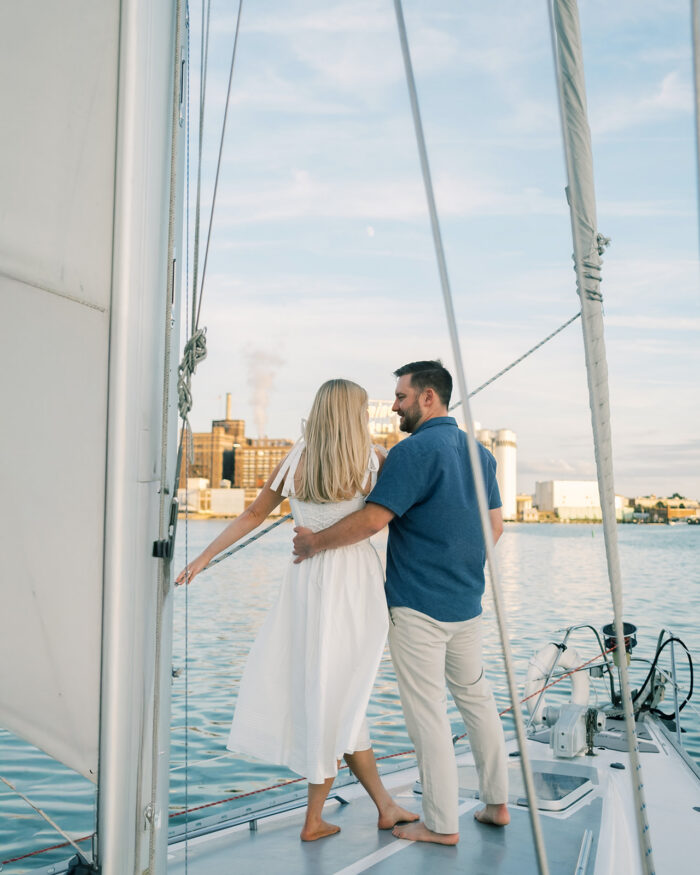
When photographers talk about posing, they’re usually referring to the small adjustments that help shape how subjects appear in the frame. These directions help guide posture, balance, and body positioning so a subject looks natural and comfortable in the final image.
Often, posing involves subtle shifts rather than dramatic movements. It might mean asking someone to shift their weight to one leg, relax their shoulders, place their hands somewhere natural, or turn their chin slightly toward the light. Even guiding where someone stands within the frame can influence how the composition feels.
These kinds of adjustments matter because they give people structure. Most people aren’t used to being photographed, and standing in front of a camera (and sometimes a stranger!) can feel quite awkward. Simple direction helps remove that uncertainty and gives clients something clear to focus on.
While posing can make someone look confident and well-positioned in an image, it doesn’t necessarily create emotion or connection on its own. A perfectly posed portrait can still feel static if nothing is happening within the moment itself.
What Is Art Direction?
If posing is what provides the structure of a portrait, art direction is what brings the moment to life. It’s the part of a session where a photographer guides the emotion, energy, and story unfolding within the frame.
Rather than focusing on exact body placement, art direction encourages subjects to engage with the moment in a natural way. The focus shifts toward the feeling of the scene, the energy of the interaction, and the subtle story developing between the people being photographed.
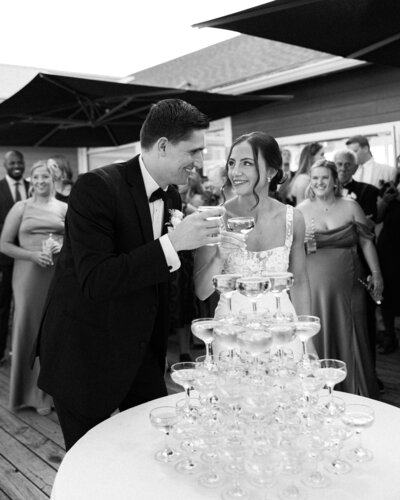
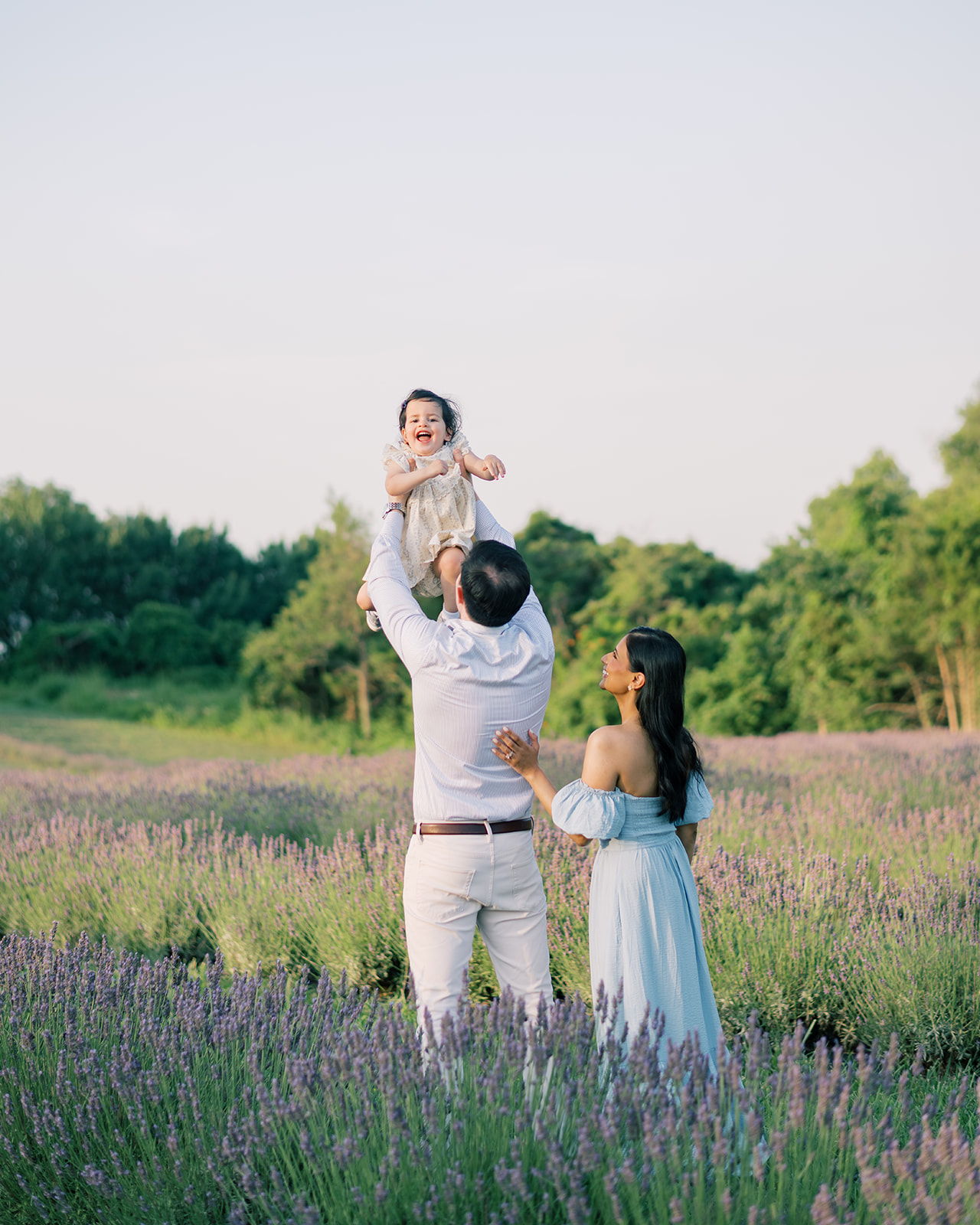
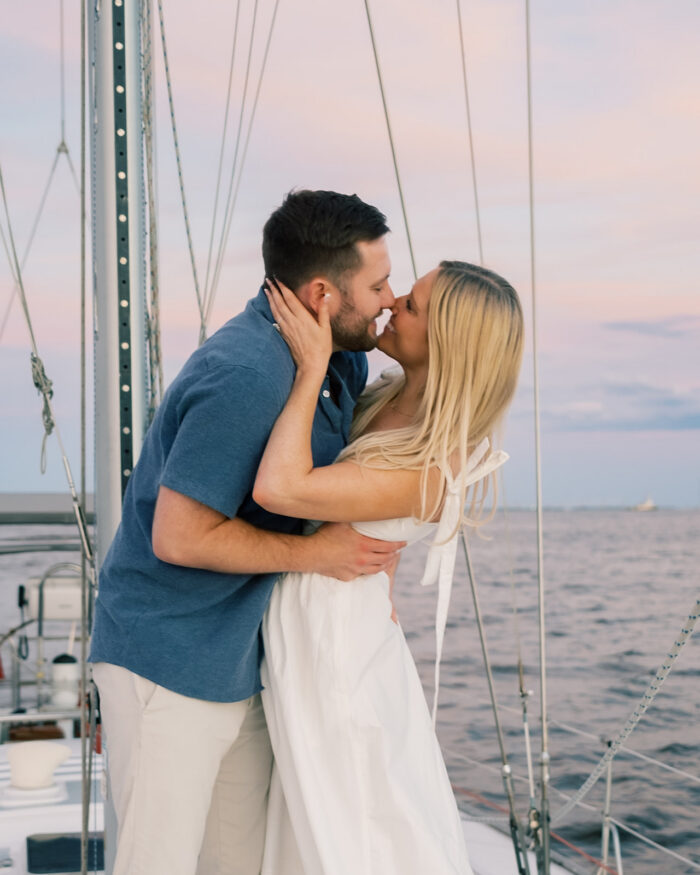
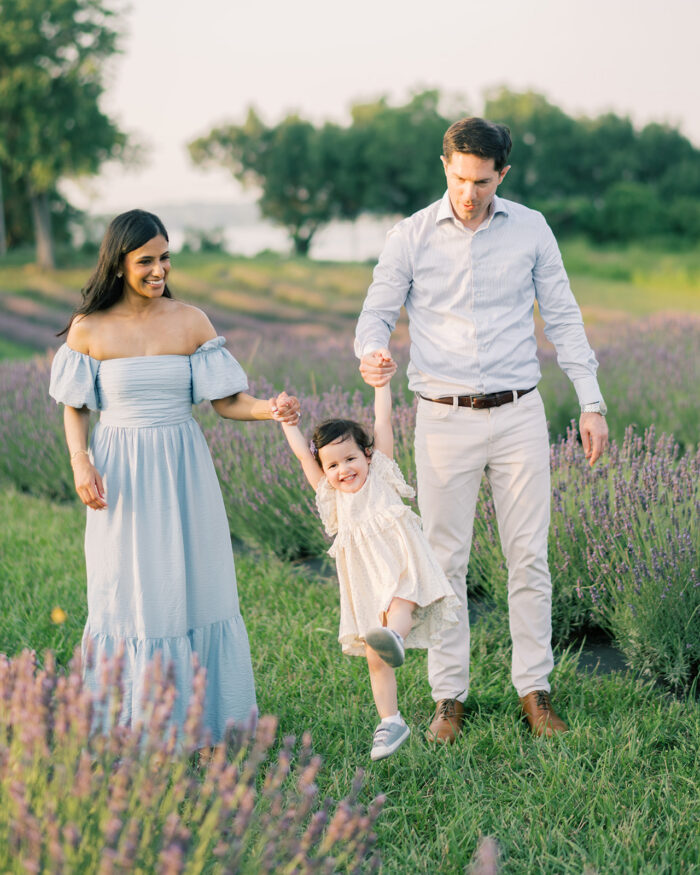
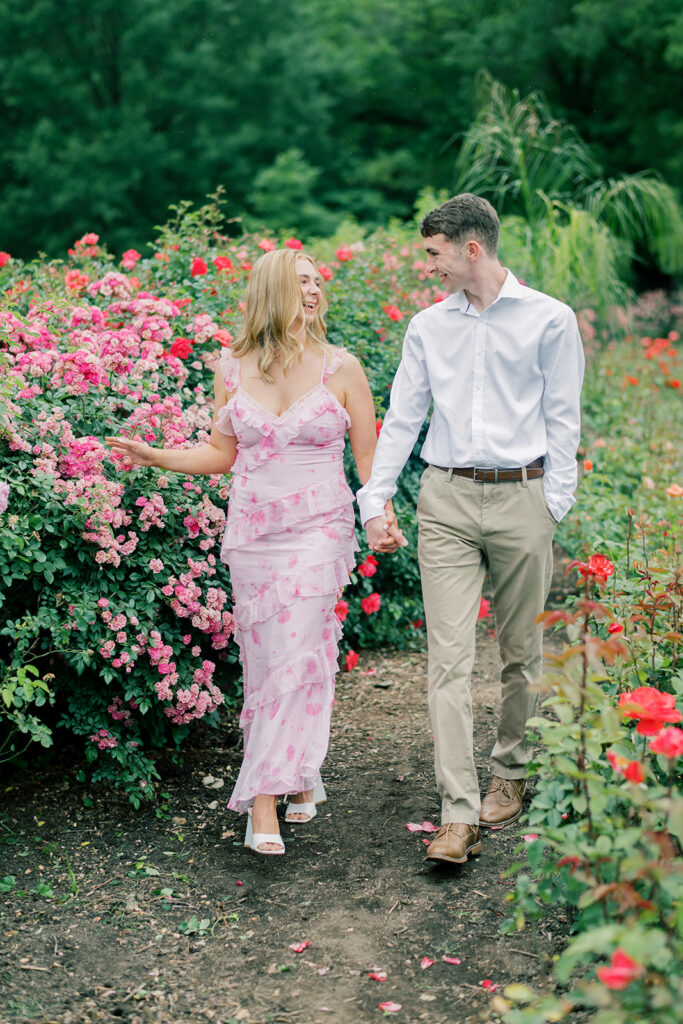
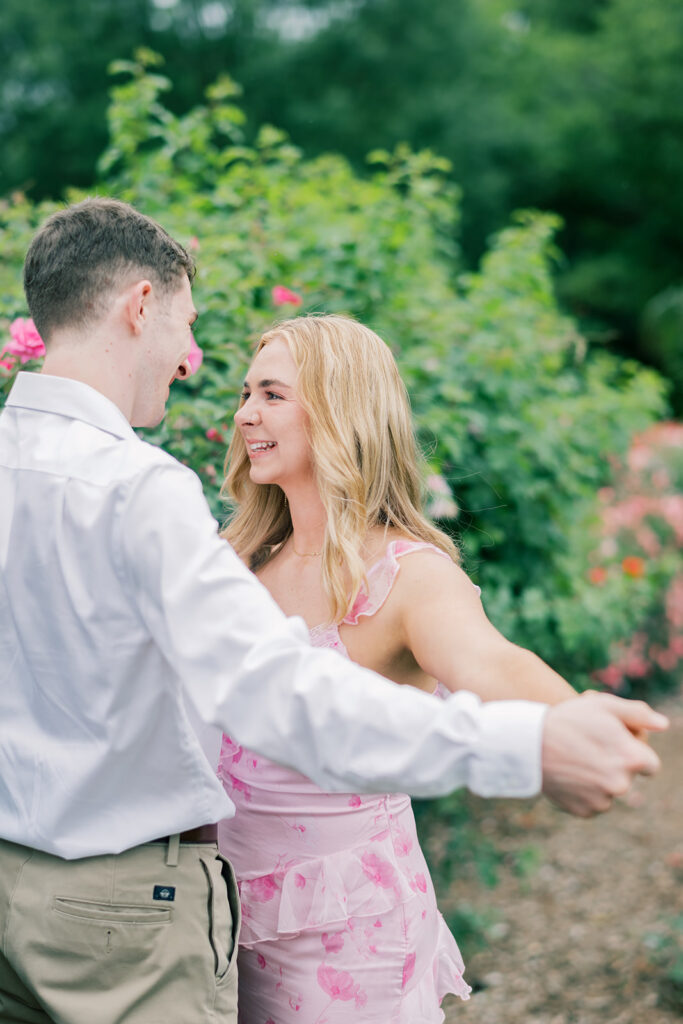
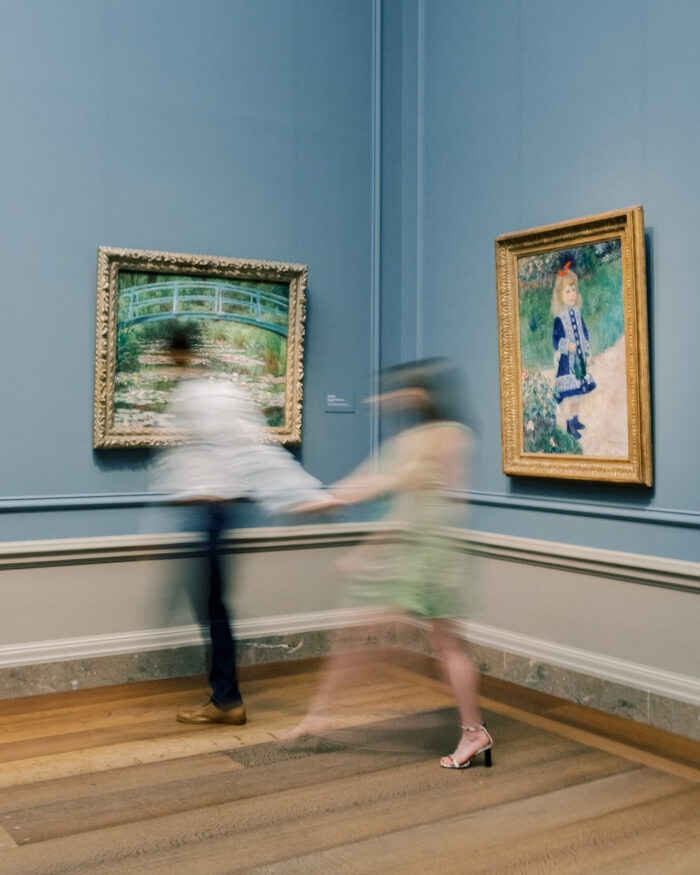
In practice, this can look like asking a couple to walk together and talk, inviting someone to pause and take a deep breath, prompting laughter or a quiet moment of connection, or encouraging gentle movement instead of stillness. These kinds of directions give people something real to respond to, which often leads to more natural expressions and interactions.
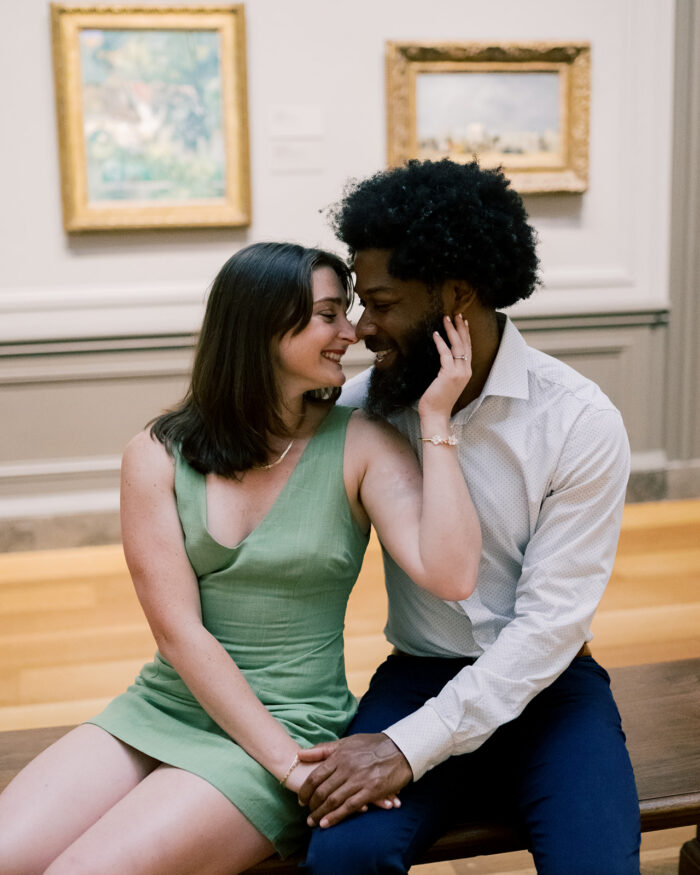
Art direction is less about where someone’s hand goes and more about what’s happening between people in the frame. When subjects are guided through a feeling or moment rather than a fixed pose, the photograph begins to capture something more than appearance; it captures the atmosphere and emotion of the scene itself.
How The Two Work Together
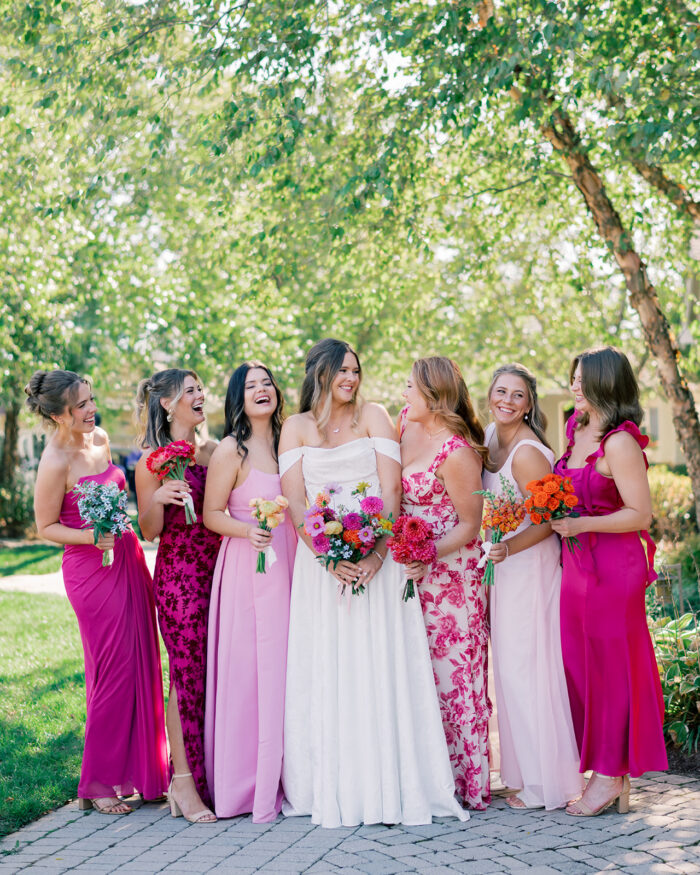
While posing and art direction serve different purposes, the strongest portraits usually rely on both working together. Posing provides a foundation for the image, giving subjects structure and helping the composition feel balanced. Art direction then builds on that foundation by introducing movement, emotion, and interaction within the frame.
A typical workflow during a portrait session often begins with a simple pose. This gives the subject a comfortable starting point and helps establish the visual structure of the photograph. From there, small prompts or movements can be introduced to bring more life into the scene. As the moment unfolds, the photographer can guide the energy of the interaction while allowing natural reactions to develop.
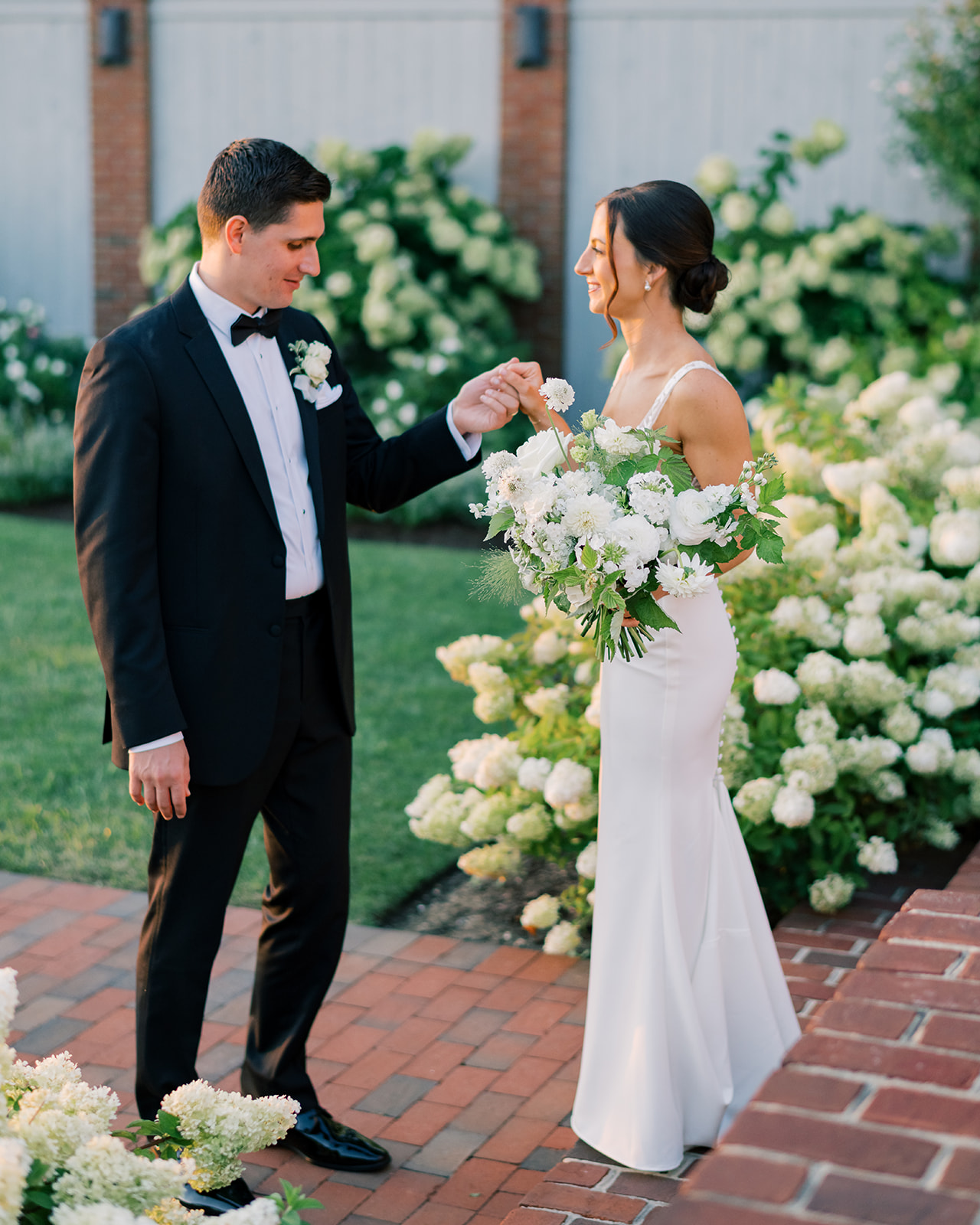
For example, a photographer might begin by asking a couple to stand close together. Once that basic pose is established, the direction might shift into something more dynamic, like inviting them to walk slowly toward the camera while talking about where they want to travel next. The pose provides the structure, but the movement and conversation create genuine reactions that make the image feel more natural and alive.
When posing and art direction are used together in this way, the result is a portrait that feels both intentional and authentic.
The Key Difference That Could Make or Break Your Portraits: Why This Approach Works
When portrait photography includes both physical and emotional direction, the final images tend to feel noticeably different. They feel more natural, more personal, and ultimately more alive.
Posing helps establish the visual structure of a photograph, but art direction introduces the small moments that give the image depth. When people are encouraged to move, interact, or respond to a prompt, their expressions and body language become less controlled and more genuine. Those subtle reactions; an unexpected laugh, a quiet glance, the way someone leans closer without thinking, are often what make a portrait feel memorable.
Instead of looking like someone is performing for the camera, the photograph begins to feel like a real moment being documented. The viewer isn’t just seeing how someone looked in that instant; they’re seeing a glimpse of the atmosphere, connection, and feeling that existed within it.
When both posing and art direction are used together, portraits move beyond simply being well-composed images. They begin to capture something more lasting: the experience of the moment itself.
Final Thoughts
The truth about portraits is that they’re more than just images; they’re moments captured with intention. Posing gives those moments shape, guiding bodies in space so the frame feels balanced and polished. Art direction breathes life into them, shaping the story, energy, and emotion that make a photograph resonate with clients and viewers.
When these two elements come together, the result is a portrait that doesn’t just show how someone looks; it shows how they exist in that moment. It’s the subtle glance, the natural movement, the laughter that wasn’t planned but belongs perfectly. That’s the magic: technical skill and human connection, working in harmony.
Ultimately, the strongest portraits are the ones that feel effortless, authentic, and true to you. Posing sets the stage, art direction tells the story, and together, they create photographs you’ll return to again and again; not just to see, but to feel.
Curious to see these principles in action? See how I use the power of art direction in this portrait session, and for more behind-the-scenes moments and portrait inspiration, follow me on Instagram!
+ view the comments